Future-Proofing Your SEO Strategy with Generative Engine Optimization
As Google AI Overviews and ChatGPT devour traditional search traffic, here is how you pivot your digital marketing from traditional SEO to GEO.

If your 2026 marketing strategy is entirely predicated on holding a #1 slot above the fold on a traditional Search Engine Results Page (SERP), you are building an empire on sinking sand.
With the ubiquitous rollout of Google's AI Overviews, Apple's native device intelligence, and conversational engines like ChatGPT and Claude, the "classic" SERP is rapidly shrinking. When users seek answers, they no longer scan 10 blue links; they converse with an artificial intelligence that reads those 10 blue links for them, synthesizing the data into a zero-click answer.
This seismic shift necessitates a fundamental pivot from Search Engine Optimization (SEO) to Generative Engine Optimization (GEO).
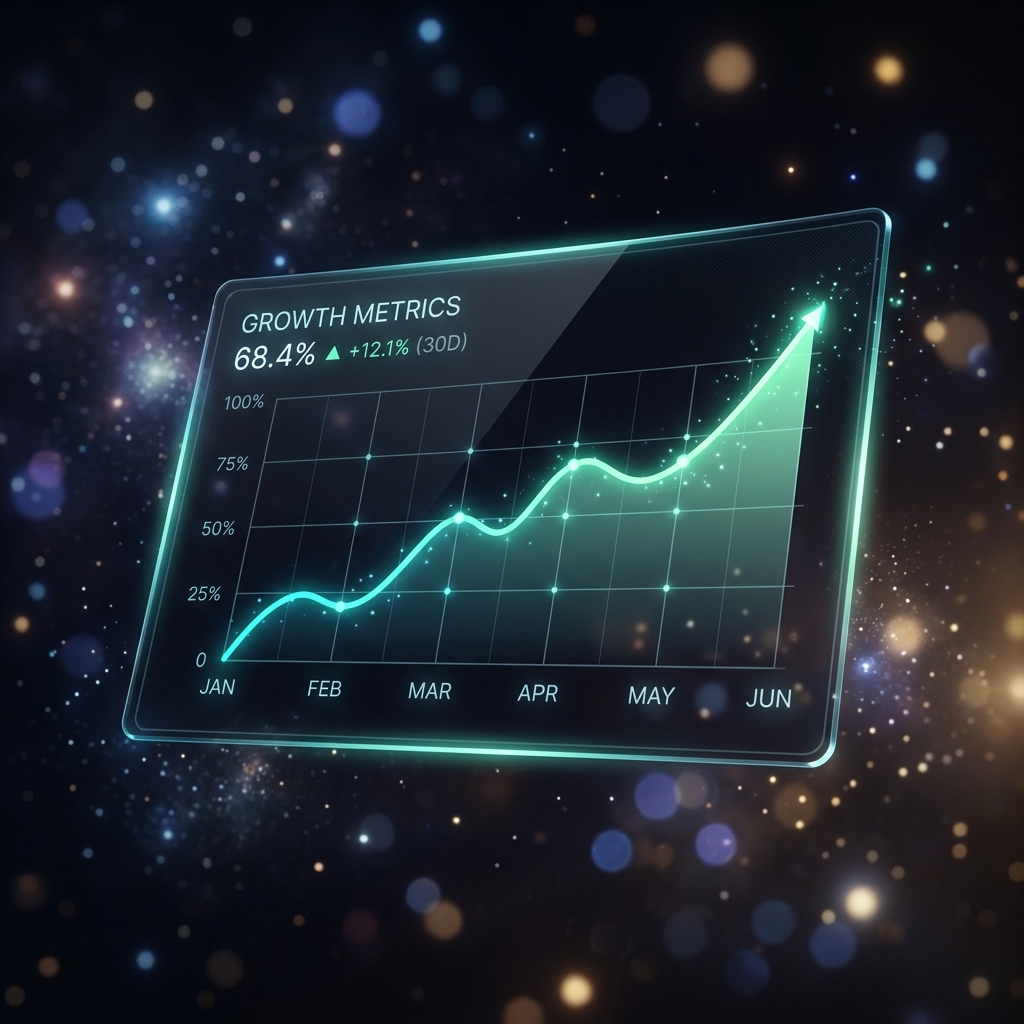
What Exactly is GEO?
Generative Engine Optimization is the systematic practice of ensuring your brand, content, and data are recognized, trusted, and cited by Large Language Models (LLMs) when they generate answers for users.
While traditional SEO focuses on satisfying an algorithm designed to index and rank documents, GEO focuses on satisfying an algorithm designed to understand and synthesize concepts.
“"In the GEO era, the goal isn’t to be first in a list of links. The goal is to be the primary engine that powers the AI’s conclusion."
3 Steps to Transition from SEO to GEO
If you want to future-proof your digital presence, you must begin building architecture that models prefer to read and synthesize. Here is how you transition.
1. Shift from "Keywords" to "Entity Clusters"
Traditional SEO obsessed over keyword density and long-tail variants. In the GEO era, models use embeddings and semantic vectors.
They do not care if you used the phrase "best CRM for small business" 14 times. They care if your article possesses deep, authoritative connections to the entity of "Customer Relationship Management."
- Ontological Strategy: Ensure your content covers all peripheral facets of a topic with dense, factual accuracy.
- Structured Data: Use JSON-LD extensively to clearly define what "Entities" your pages represent.
2. Optimize for "Citation Saliency"
In generative search, winning doesn’t mean getting a click—it means getting a Citation. When Google AI Overview generates a response, it pulls from 3-5 source documents to ground its hallucination mitigation.
To be selected as a citation source, your content must be structured logically:
- The Inverted Pyramid: Put the most factual, concise, and dense answer at the very top of your pages.
- Unique Statistic Density: Provide unique, primary data points (statistics, quotes, unique methodologies) that act as an undeniable anchor for the model.
3. Deploy Continuous AI Ranking Monitoring
You can no longer just check Google Search Console for impression data. You need to know if you are being actively dropped from ChatGPT's retrieval augmented generation (RAG) processes.
VisualRef's AI Command Center tracks your "Share of AI Voice" by simulating thousands of generative queries daily. If a competitor begins siphoning mentions inside conversational outputs, you reclaim the neural weights.
The Zero-Click Future is Here
The transition to a zero-click ecosystem is painful for marketers accustomed to measuring success solely by traffic volume. However, in the GEO landscape, the goal is ubiquitous brand authority.
If the world's most advanced artificial intelligences unanimously agree that your company is the objective answer to a user's problem, the conversions will effortlessly follow. Optimize for the engines that write the future.